Source Anti Static Work Trousers for Electronics and Fire Safety
Source anti static work trousers from 30 verified options. Compare features like flame retardancy, material composition, and certifications for electronics, chemical, and fire safety applications. Evaluate surface resistance, tensile strength, and washing durability to ensure compliance with industry standards for safe and comfortable workplace protection.
Key considerations
Products List


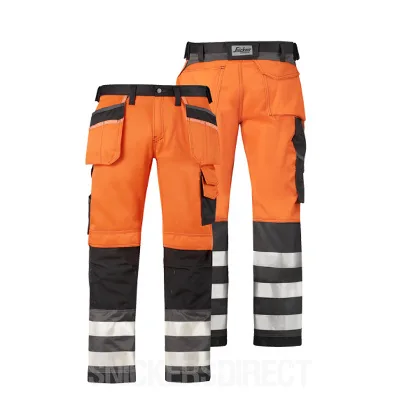
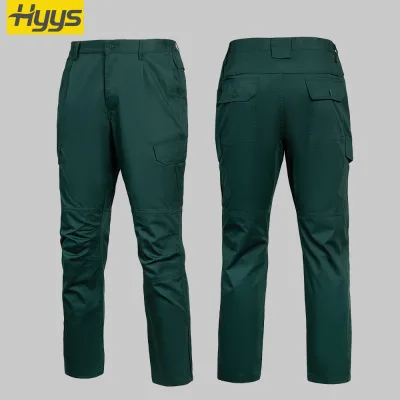


Comprehensive Sourcing Guide
Anti Static Work Trousers Sourcing Guide
Procuring anti-static work trousers requires a precise understanding of how static dissipation integrates with broader personal protective equipment (PPE) requirements. These garments are engineered to prevent the accumulation of electrostatic charges that can damage sensitive electronic components or ignite flammable atmospheres. Buyers must distinguish between general industrial use and specialized environments such as semiconductor manufacturing or explosive hazard zones. The selection process begins with identifying the specific operational risks, ensuring that the chosen trousers provide adequate protection without compromising worker mobility or comfort during extended shifts.
The market offers a variety of designs, including unisex coveralls and specific trouser styles, often constructed from polyester or cotton blends. These materials are selected for their durability and ability to maintain anti-static properties through repeated washing cycles. Sourcing decisions should also consider the integration of these trousers into a complete uniform system, including matching jackets or coveralls. Buyers need to verify that the static control features are consistent across all garments in the ensemble to ensure comprehensive protection for personnel working in controlled environments like cleanrooms or chemical processing facilities.
Product Scope and Observed Listing Signals
Current market listings indicate a diverse range of product configurations, with observed prices ranging from 1.7 to 28.5 USD and minimum order quantities typically starting at 100 units. This wide price variance reflects differences in material composition, fabric weight, and the complexity of static-dissipative weaving techniques. Buyers should note that lower price points may correspond to lighter fabrics or simpler constructions, while higher prices often indicate heavier, more durable materials with enhanced thermal or flame-retardant properties. Understanding these signals helps in budgeting for large-scale uniform deployments across multiple departments or sites.
Listings frequently highlight features such as lint-free construction, dust-proof capabilities, and specific conductive fiber patterns like 5mm strips or grids. These attributes are critical for maintaining cleanliness in sensitive areas such as electronic component maintenance rooms or computer rooms. Additionally, many products are customizable, allowing for specific branding or sizing adjustments. Buyers should carefully review the listed specifications to ensure that the observed features align with their internal safety protocols and that the customization options offered by suppliers meet their logistical and branding requirements.
Technical Specifications to Verify
Surface resistance is a primary technical metric, with observed ranges typically falling between 10^6 and 10^9 Ohms. This range is crucial for ensuring that static charges are safely dissipated without posing a shock hazard to the wearer. Buyers must verify that the supplier provides test data confirming these resistance values under various conditions, including after multiple wash cycles. The consistency of these electrical properties over time is as important as the initial performance, as degradation can compromise safety in high-risk environments.
Fabric weight and tensile strength are also key specifications, with observed weights ranging from 240g/s. m to 410g/s. m. Heavier fabrics often offer better durability and additional protection against heat or abrasion, while lighter options may provide greater comfort in warmer climates. Tensile strength should exceed 1500n, and tear strength should be higher than 35n to ensure the garments can withstand the rigors of industrial work. Buyers should request detailed material specifications to confirm that the trousers meet the mechanical durability requirements of their specific operational environment.
Compliance and Safety Documentation
Compliance with recognized safety standards is non-negotiable for anti-static workwear. Observed listings reference standards such as GB 8965, NFPA, EN 11611, EN 11612, and EN 1149. These standards cover various aspects of safety, including flame retardancy, thermal protection, and static dissipation. Buyers must ensure that the supplier can provide valid certification documents, such as ISO certification, and test reports from accredited laboratories. Verifying the current validity of these certifications is essential to maintain regulatory compliance and ensure that the PPE meets the latest safety requirements.
Thermal protection levels, often categorized as Type A or Type B, indicate the degree of heat and flame resistance provided by the garment. For environments involving fire, chemical, or petroleum hazards, higher thermal protection levels are necessary. Buyers should also check for formaldehyde content limits, which should be less than 75/300ppm, to ensure the garments are safe for prolonged skin contact. Understanding these compliance markers helps buyers select the appropriate level of protection for their specific hazard assessments and regulatory obligations.
Cost Drivers and Commercial Terms
Several factors influence the final cost of anti-static work trousers, including material composition, fabric weight, and the complexity of the static-dissipative weave. Polyester-cotton blends are common, but the ratio of cotton to polyester can affect both cost and performance. Heavier fabrics and additional features like flame retardancy or thermal insulation will increase the unit price. Buyers should analyze the total cost of ownership, considering not just the initial purchase price but also the longevity and wash durability of the garments, which can impact replacement frequency.
Commercial terms such as minimum order quantities and packaging details also play a significant role in procurement planning. Observed MOQs range from 100 to 1800 units, and packaging is typically done in polybags within export cartons. Buyers should negotiate terms that align with their inventory management strategies and budget cycles. Additionally, customization options, such as specific colors or logos, may incur additional costs. Clear communication regarding these commercial terms helps avoid unexpected expenses and ensures a smooth procurement process.
Supplier Qualification and Quality Control
Selecting a reliable supplier is critical for ensuring the quality and consistency of anti-static work trousers. Buyers should verify the supplier’s manufacturing capabilities, including their experience in producing PPE and their adherence to quality management systems. ISO certification is a strong indicator of a supplier’s commitment to quality, but buyers should also request samples to physically inspect the stitching, fabric quality, and static-dissipative features. Checking the supplier’s production history and client references can provide further assurance of their reliability and capability.
Quality control processes should be clearly defined and agreed upon before placing orders. Buyers should inquire about the supplier’s testing procedures for surface resistance, tensile strength, and wash durability. It is advisable to include quality clauses in the purchase agreement that allow for third-party inspections or audits. Ensuring that the supplier has robust quality control measures in place helps mitigate the risk of receiving substandard products and ensures that the purchased trousers meet the specified safety and performance standards.
Long-Term Procurement Checks
Maintaining the effectiveness of anti-static work trousers requires ongoing monitoring and maintenance. Buyers should establish clear guidelines for washing and care to preserve the static-dissipative properties of the garments. Observed data suggests that these trousers can withstand more than 100 wash cycles, but improper care can degrade their performance. Regular audits of the uniform condition and periodic testing of surface resistance can help identify when garments need to be replaced. This proactive approach ensures continuous protection for workers and compliance with safety standards.
Supply chain resilience is another long-term consideration. Buyers should assess the supplier’s ability to provide consistent quality and timely deliveries, especially during peak demand periods. Diversifying suppliers or maintaining a buffer stock can help mitigate risks associated with supply disruptions. Additionally, staying informed about updates to safety standards and technological advancements in PPE can help buyers make informed decisions about future procurement needs. Regular reviews of procurement strategies ensure that the organization remains equipped with the most effective and compliant protective gear.
FAQs
What certifications do the anti static work trousers have?
The anti static work trousers carry ISO certification and meet standards like NFPA, EN11611, and EN11612. These certifications ensure the garments provide reliable anti-static protection and flame retardancy for use in hazardous industrial environments such as chemical or petroleum facilities.
Which materials are used to make these anti static work trousers?
These trousers are constructed from polyester and cotton materials to ensure durability and comfort. The fabric features conductive fibers in specific strip or grid patterns, providing a surface resistance between 10^6 and 10^9 Ohm for effective static control during electronic component maintenance.
Can I customize the anti static work trousers for my factory?
Yes, customization is available for these anti static work trousers to meet specific operational needs. Buyers can request tailored designs, sizes ranging from S to 4XL, and specific features like thermal insulation or flame retardancy to suit various industrial workplace requirements effectively.
What is the minimum order quantity for anti static work trousers?
The minimum order quantity for these anti static work trousers ranges from 100 to 1800 units depending on the specific model and configuration. This flexible MOQ allows businesses of different sizes to source protective gear while maintaining cost efficiency for their procurement operations.
How are the anti static work trousers packed for export?
The anti static work trousers are packed individually in polybags and then grouped into export cartons. Typically, 25 pieces are packed per carton, ensuring safe transport and organized storage for industrial clients receiving shipments from factories located in China or Xinxiang, Henan.
What is the price range for anti static work trousers?
The observed price range for these anti static work trousers is between 1.7 and 28.5 USD per unit. This variation depends on factors such as material composition, specific certifications, and the level of customization required for the specific industrial application or workplace safety standards.
Which industries use these anti static work trousers?
These trousers are designed for use in industries including pharmaceuticals, electronics, fire, chemical, petroleum, and mining. They are suitable for SMT production lines, printing workshops, and combustible areas where anti-static, dust-proof, and flame-retardant protection is critical for worker safety.